Your Cart is Empty

Everything You Need for the Ultimate 4WD Experience
Sherpa 4x4’s range of premium accessories delivers smart, reliable solutions to the challenges of off-road driving. From recovery gear to winch upgrades, our products are designed to keep you moving no matter where the track takes you.
Explore our extensive line-up:
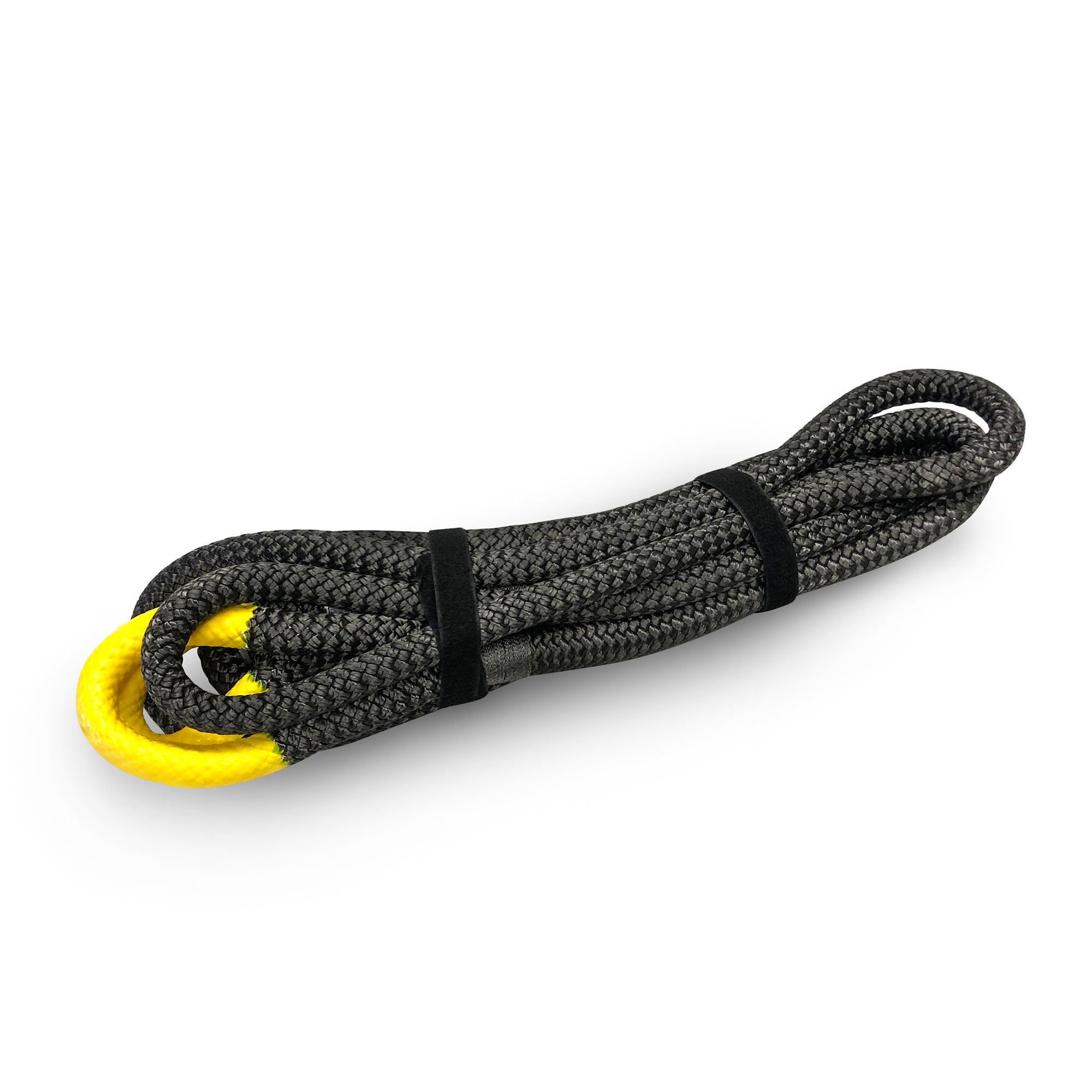
Recovery Essentials – Kinetic recovery ropes, soft shackles and back-up ropes for safe and efficient vehicle recovery.
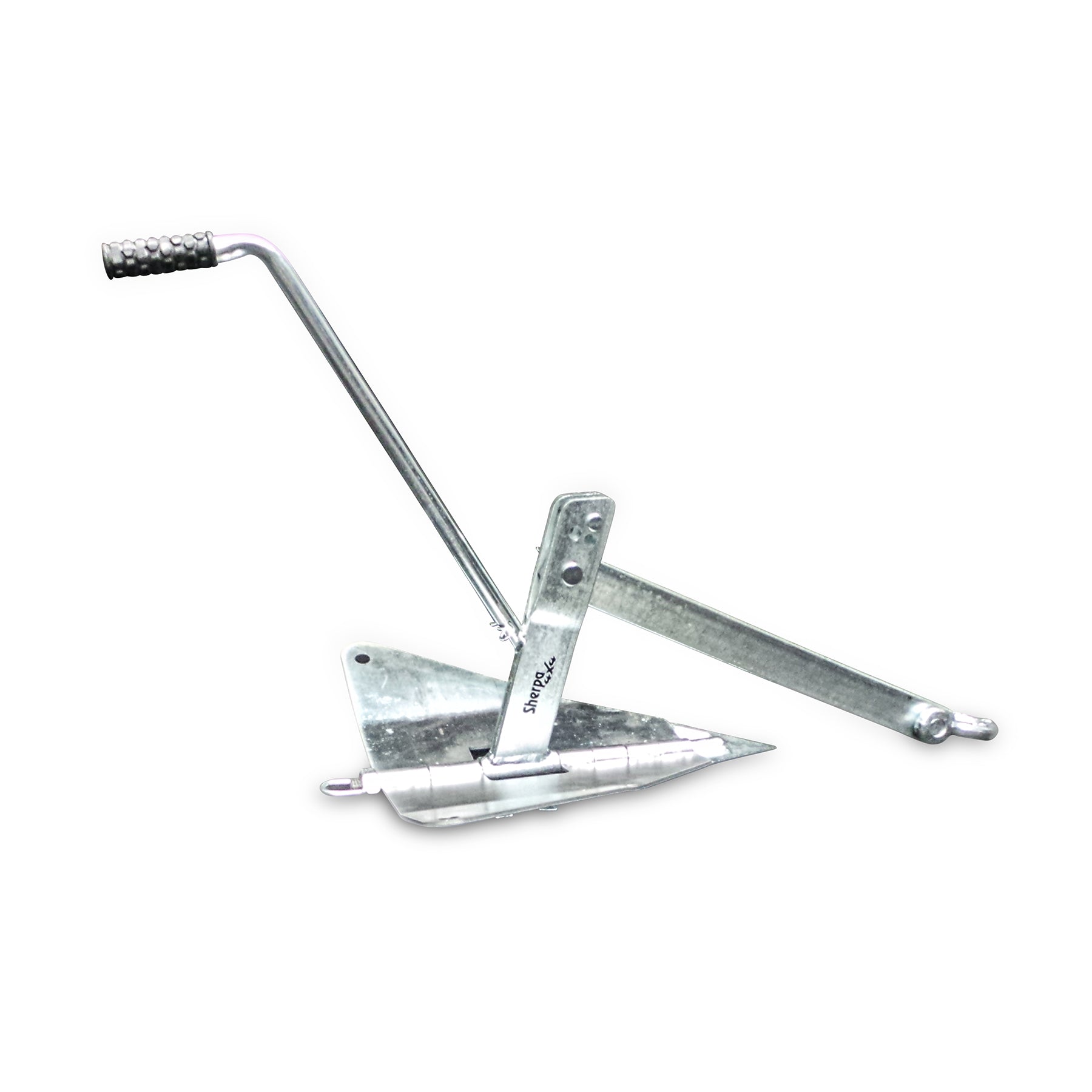
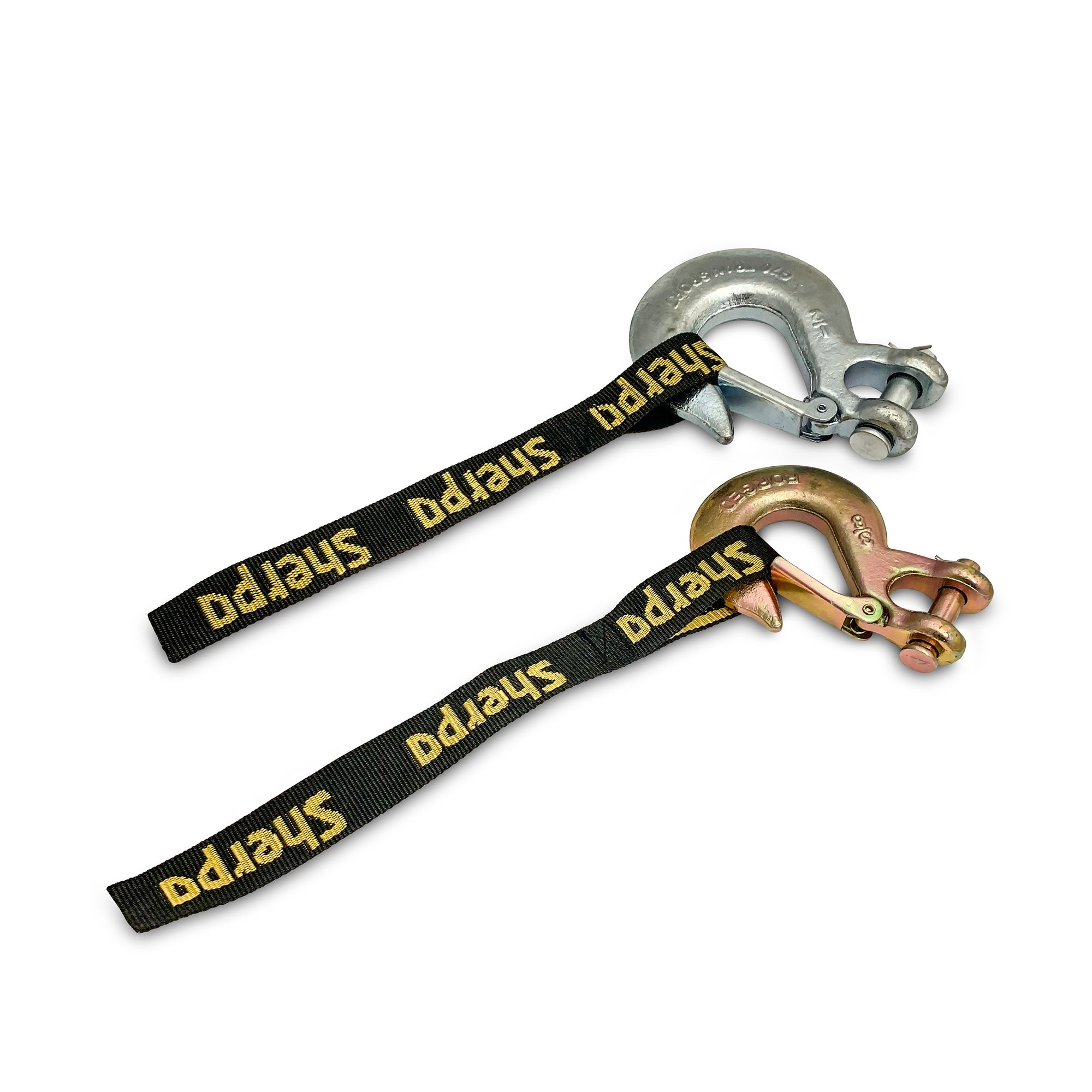
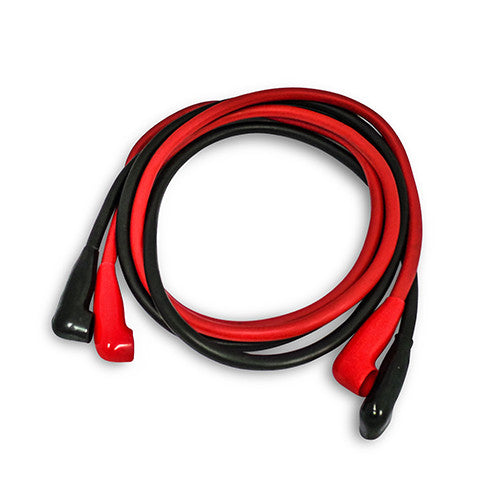
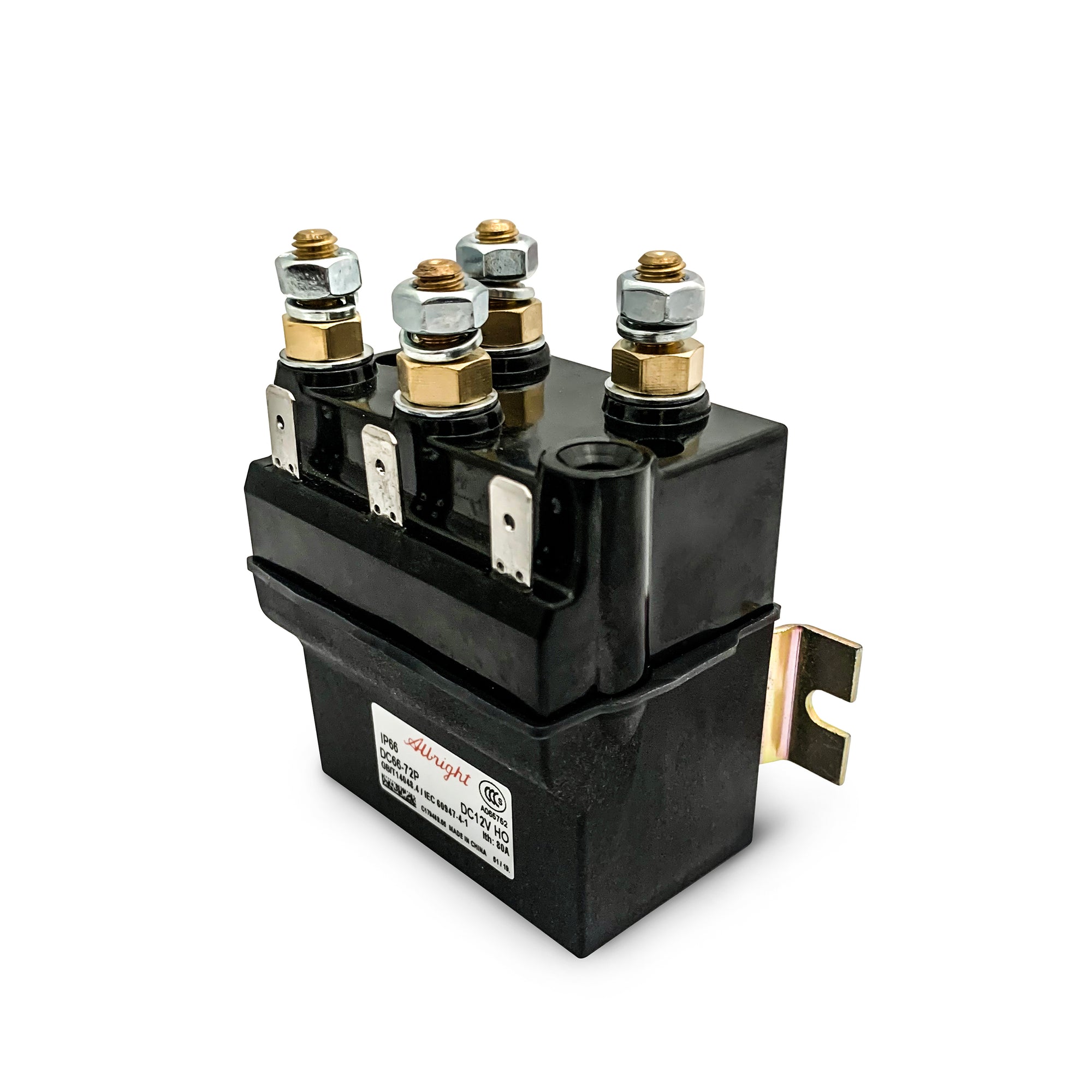
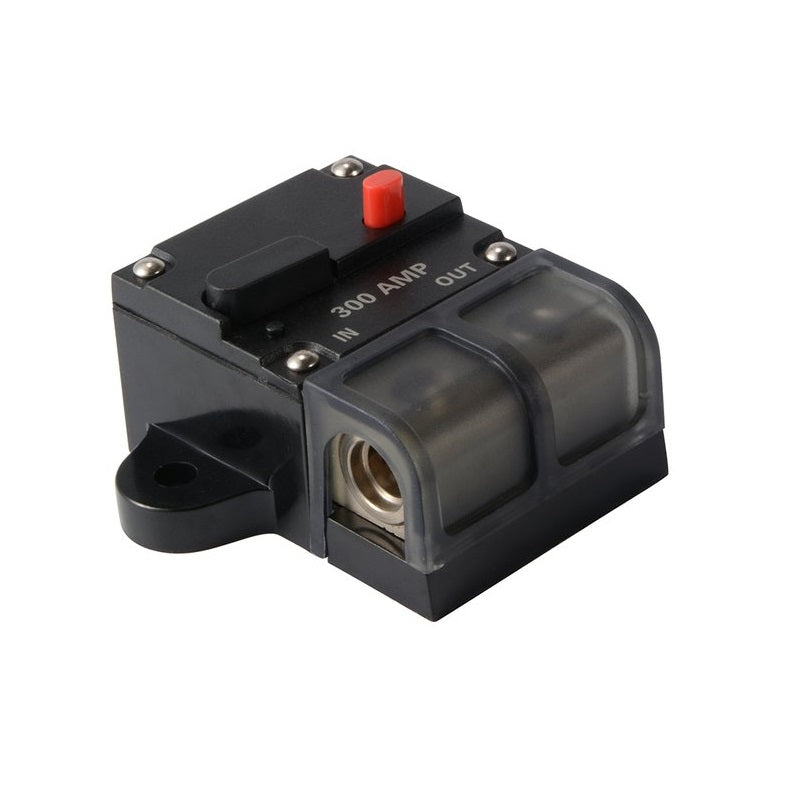
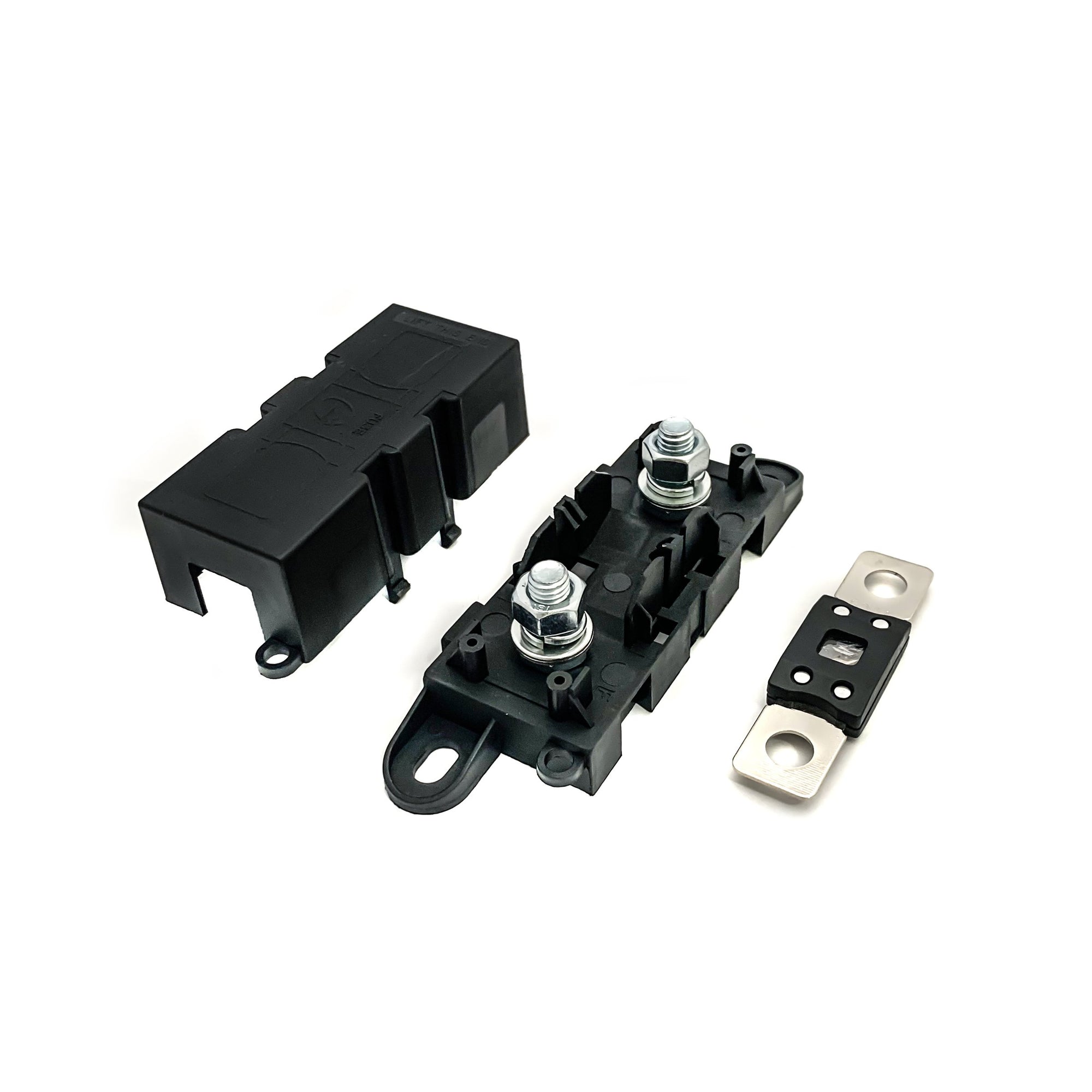
Electrical & Hardware – Isolation switches, winch anchors, snatch blocks, hooks, battery cables and replacement solenoids to keep your system running at its best.
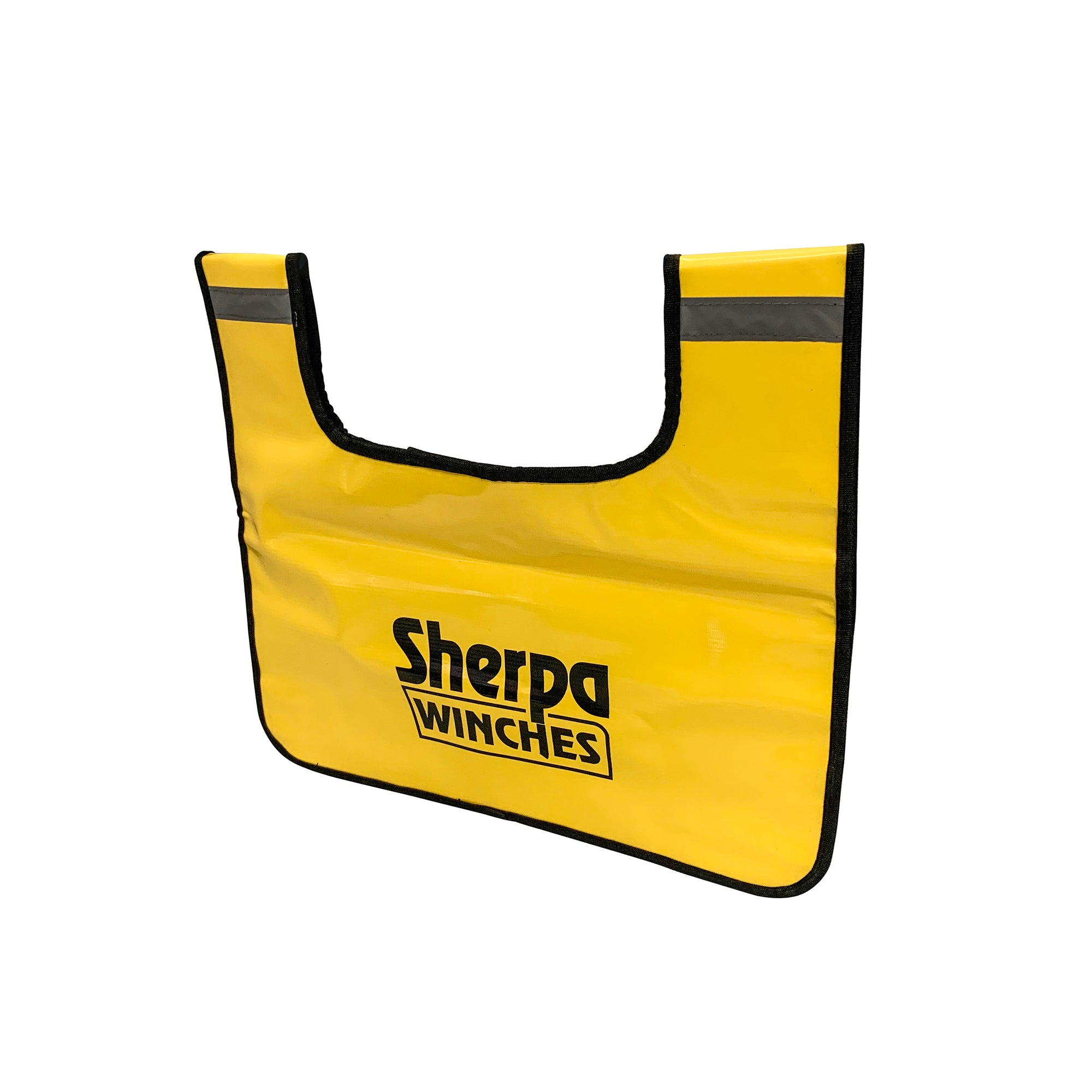
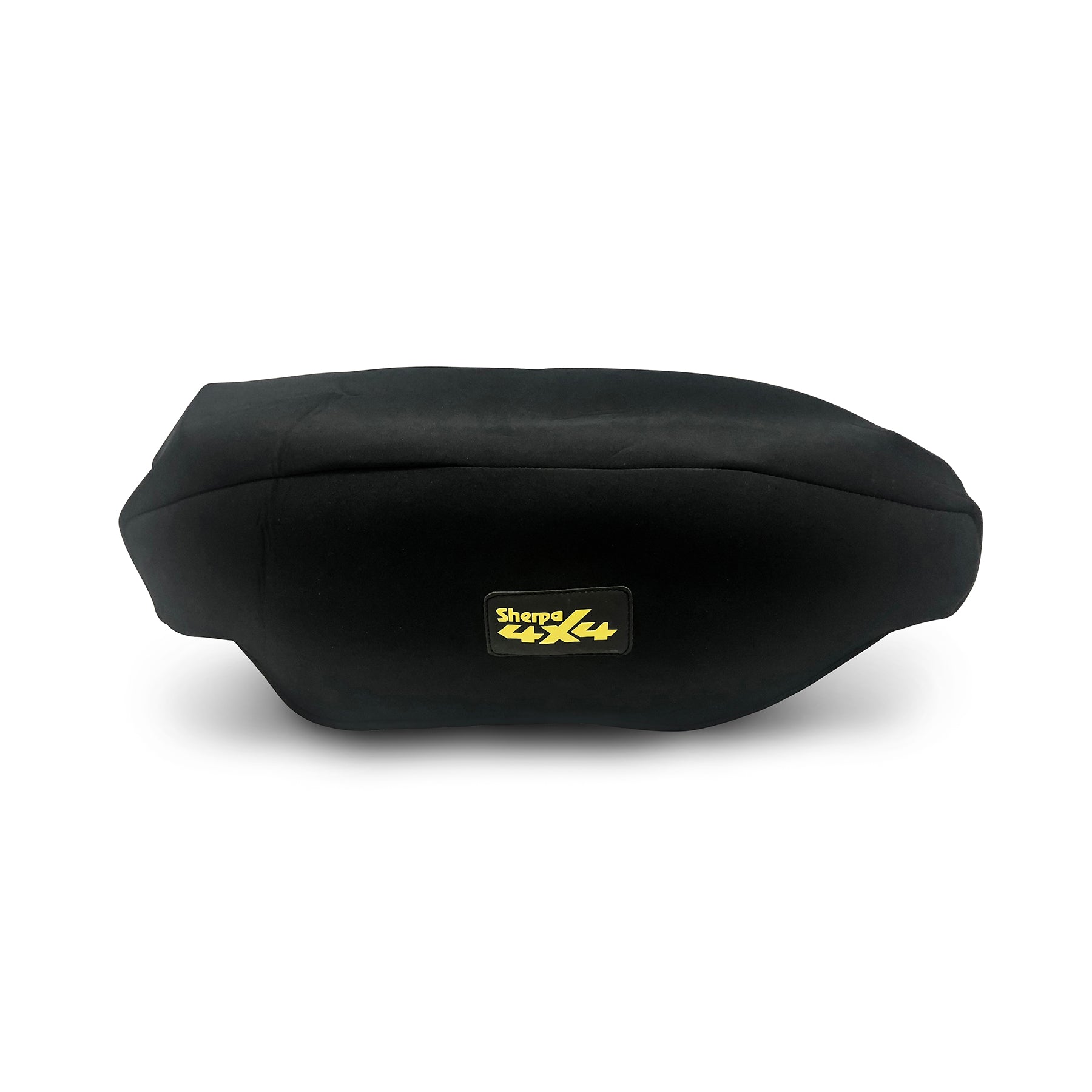
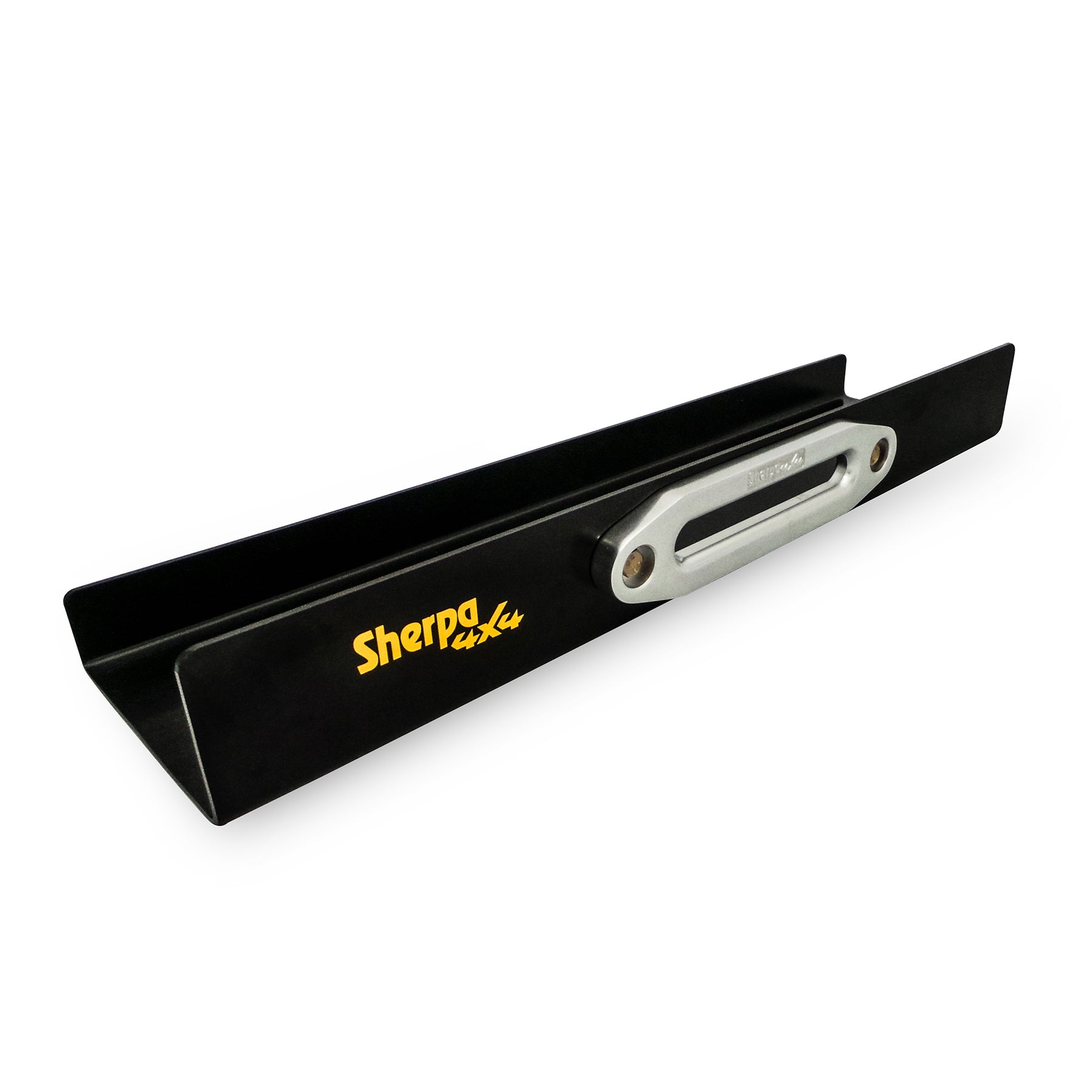
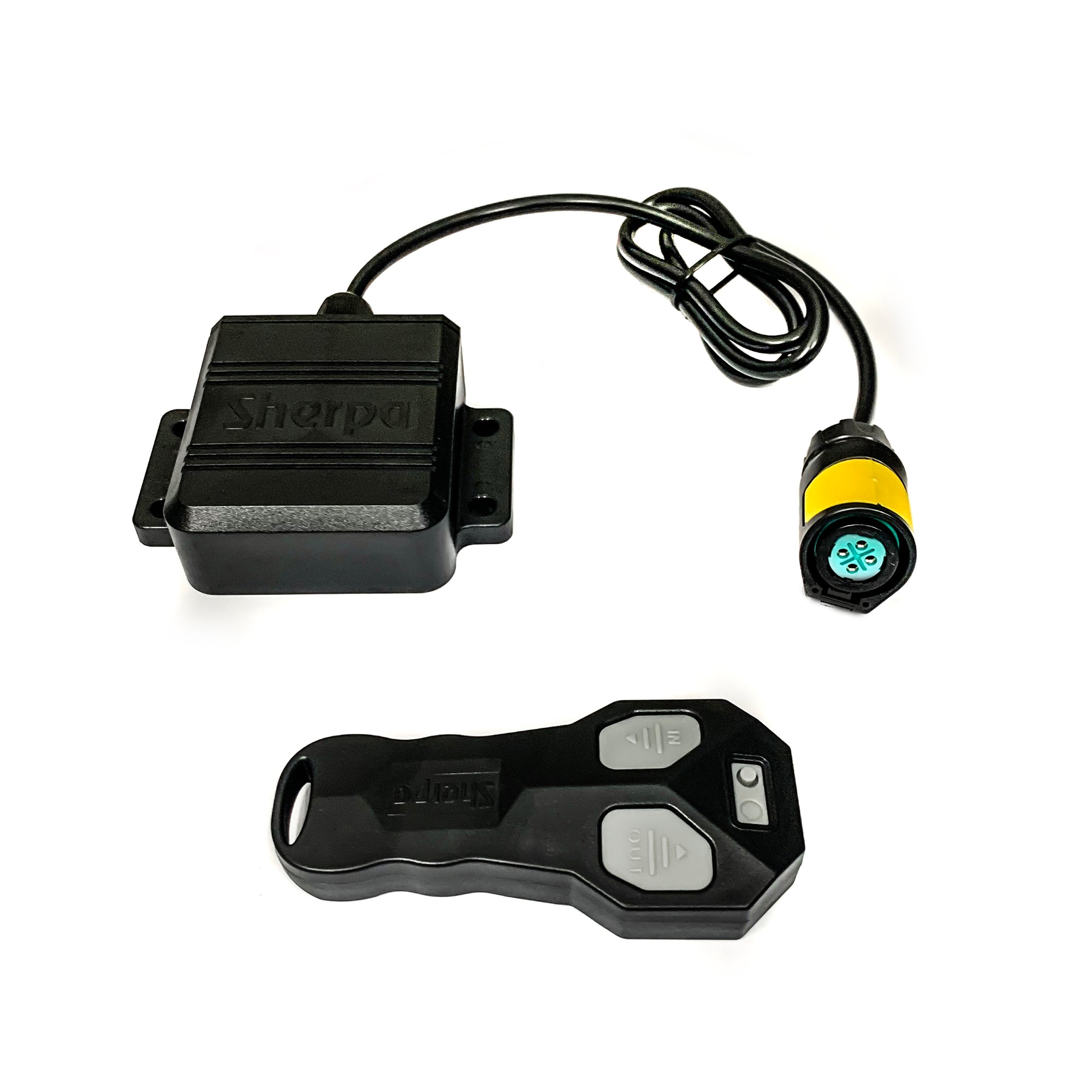
Winch Add-Ons – Winch covers, Hooks, off-road tool bags and wireless remote kits – popular upgrades for serious 4WD enthusiasts.
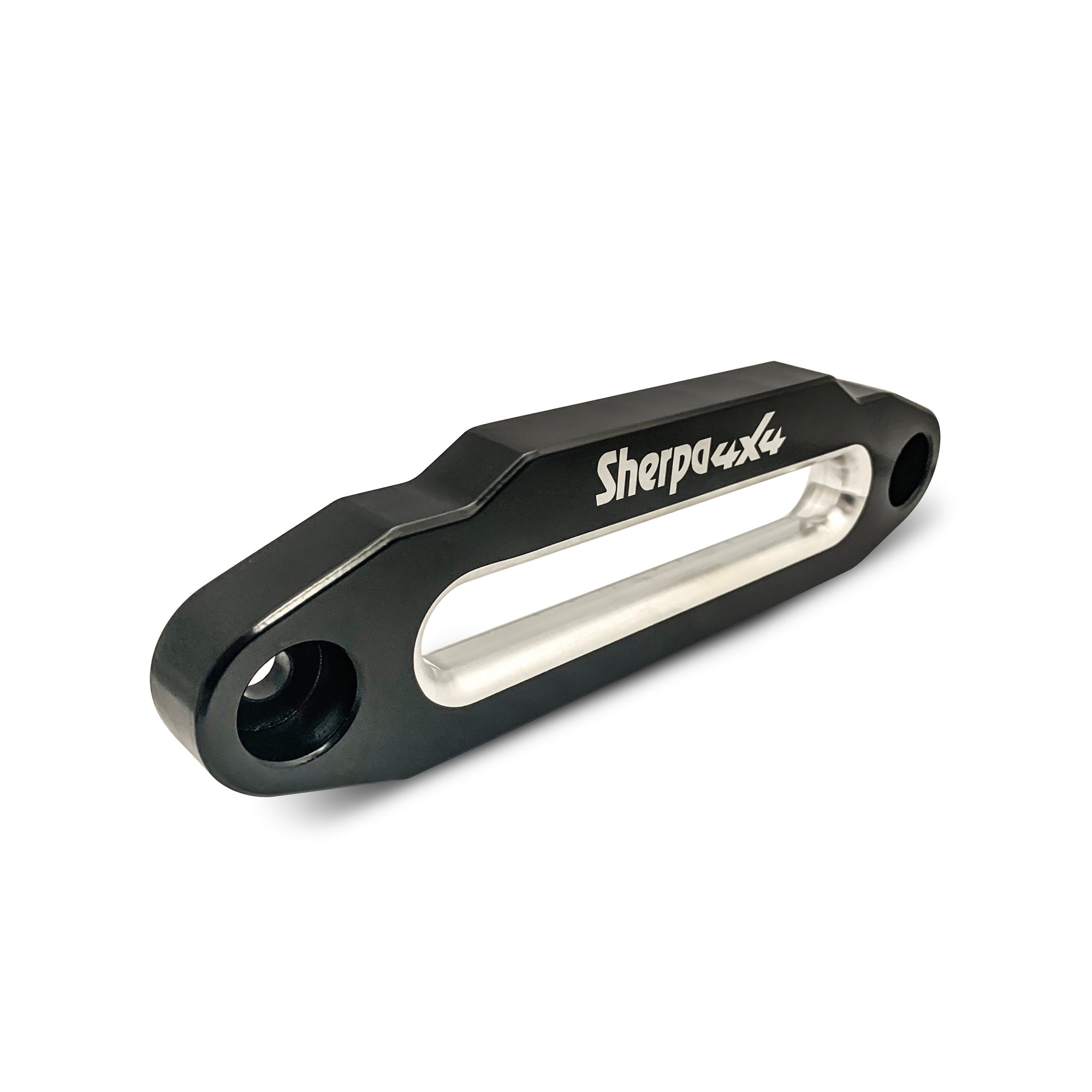
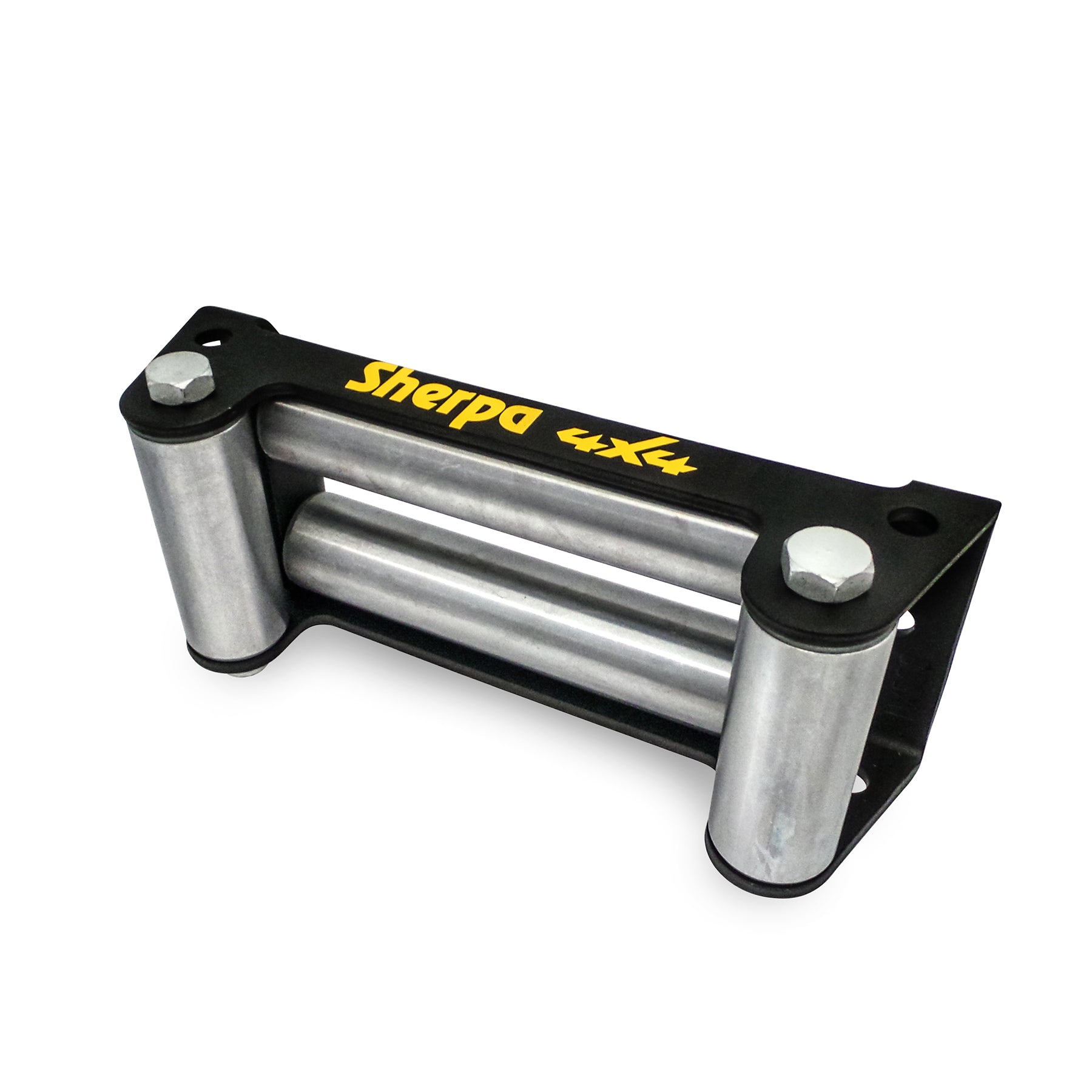
Set-Up Gear – Hawses, hitch links, fairleads, splicing tools and much more to complete your Sherpa winch system.
Whether you’re upgrading your recovery kit or enhancing your Sherpa winch, you’ll find high-quality products at great prices. With Sherpa 4x4 accessories on board, you’ll always be ready for your next adventure.
SEE WHAT OUR CUSTOMERS HAVE TO SAY!
Only recently had winch installed on my boat trailer and auto electrician wired up my 4x4 truck and winch, used it the other day to test it out and it went like a dream, very easy to use and operate and pulled my boat onto the trailer very quickly. Very well made and should last me a life time, so far am very very happy with this purchase, overall a great winch and cost was very reasonable .
Sherpa 4x4 'BIG V4' Air Compressor (400 L/min) Bundle Deals
Sherpa 4x4 Tyre Deflators - 4 Pack
Great product. Wish I had purchased it when I bought the winch. Just wondering if it maybe an idea to put it in and sell it as all one product. A combo pack. Makes life easy. Just a thought.
Sherpa 4x4 'Grunter' Electric Boat Trailer Winch
Excellent so far. WE are using it in a commercial application to help run Air jacks for Mobile tyre changing.
Sherpa 4x4 'The Mustang' - 9,500Lb Winch
Vg
Great winch fast delivery would buy again thanks
Good customer service
Works great,worth buying.
Ordered my winch Thursday morning was delivered to my door the next day awesome service thanks
Happy with my purchase to date. Well packaged and delivered in a timely fashion. Quality appears good. Now time to get some hours on it.
Wireless remote
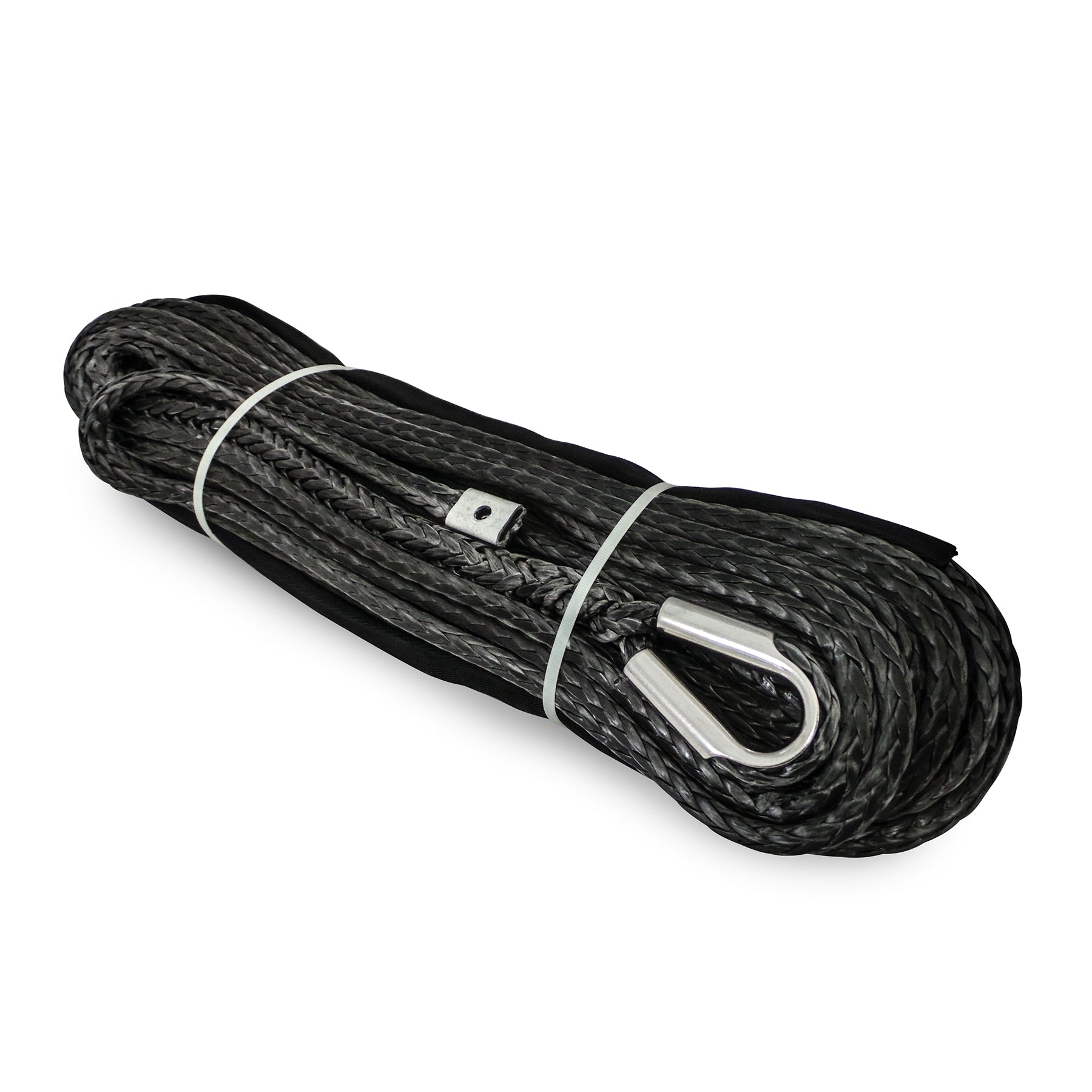
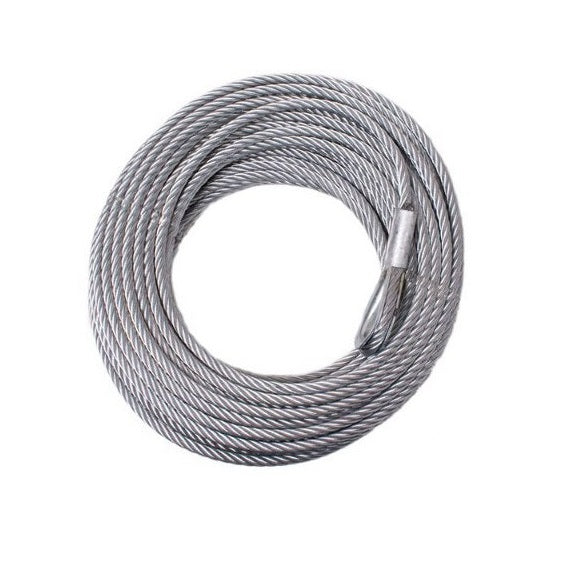
Replacing original winch robe which was 8 years old & well used. New rope came quickly & quality is excellent & easy to install. Definitely recommend Sherpa product specially their winches