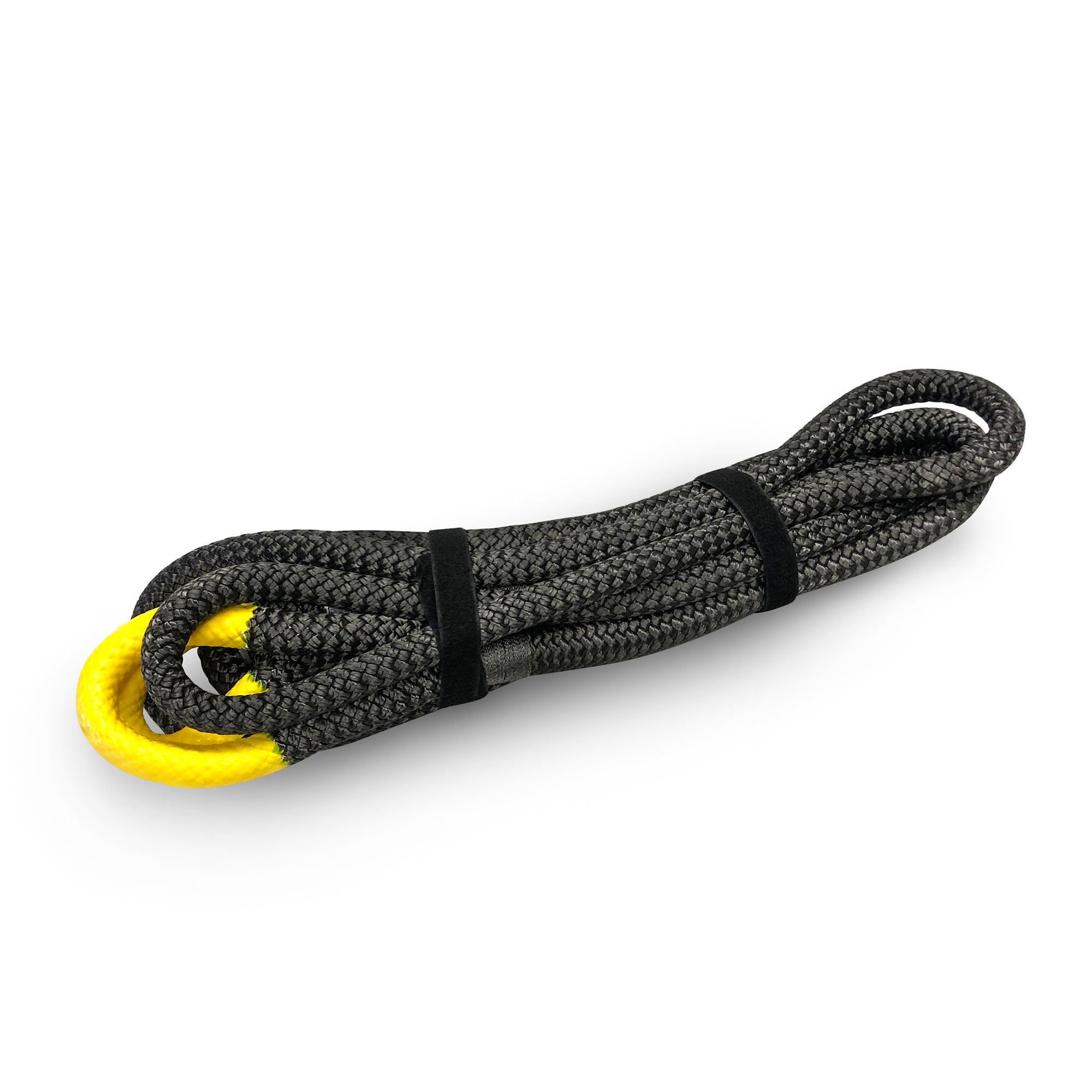
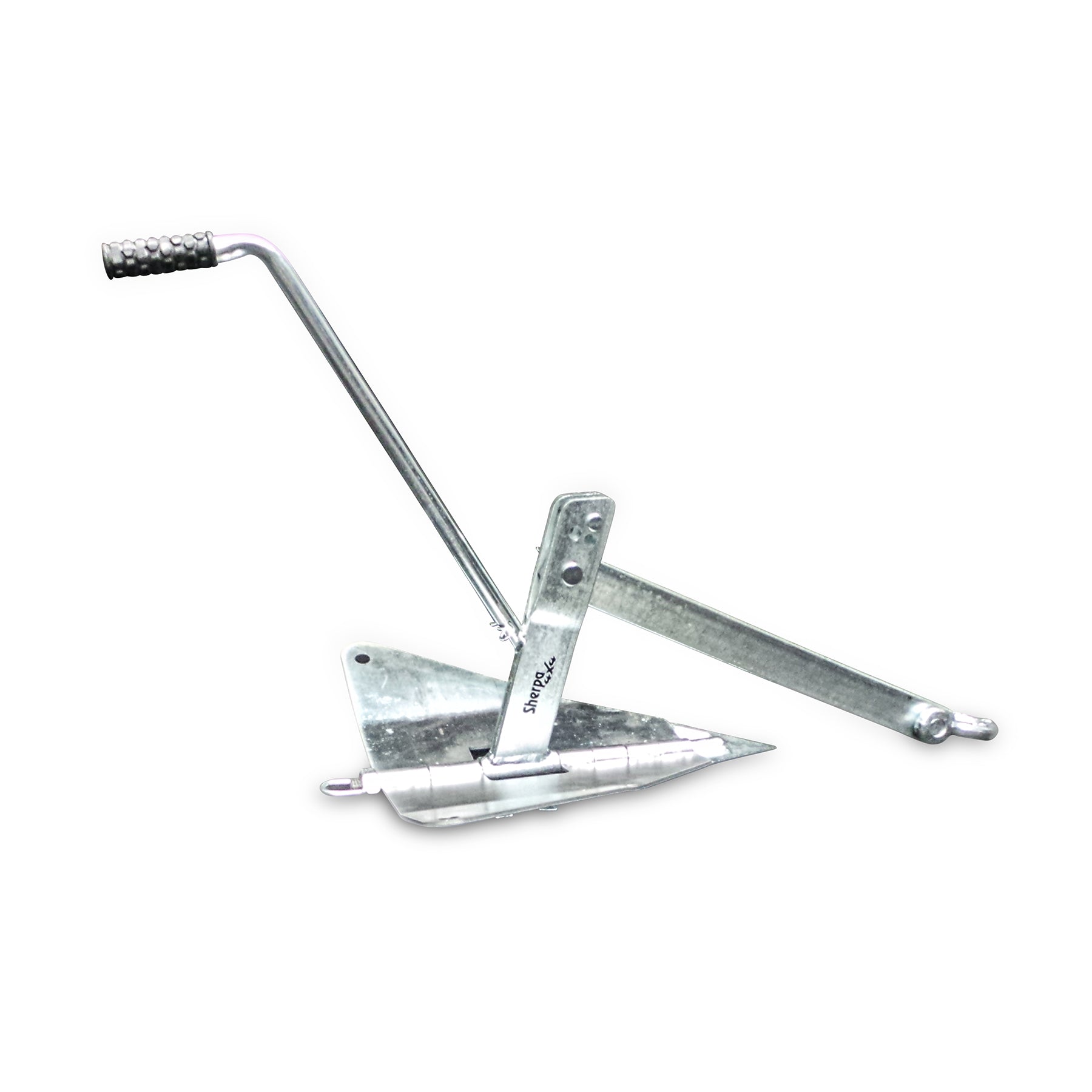
Use the least aggressive method that can safely free the vehicle. In sand, reducing tyre pressure and clearing material from in front of the tyres may solve the problem before recovery gear is needed. In deep mud or on a steep track, a controlled winch recovery is often preferable because force can be applied progressively. A kinetic recovery can be effective when there is a second vehicle, adequate space and properly rated recovery points on both vehicles, but it introduces stored energy and should not be the automatic first choice. Assess vehicle position, anchor options, side slopes and the consequences if something moves suddenly. Good recovery planning is about reducing load and risk before adding pulling force.

A double-line pull is useful when a single-line recovery is approaching the winch's capacity, line speed has fallen significantly or greater control is desirable. The winch line is routed through a rated snatch block or recovery ring at the load or anchor and returned to a suitable attachment point. This increases mechanical advantage and reduces the load seen by the winch, although the exact force distribution depends on rigging angles and friction. It also uses more rope and produces slower vehicle movement, which can be beneficial in difficult terrain. Ensure every component in the doubled system is rated for the resulting loads and keep the return line and attachment points clear of sharp edges.

A tow ball should never be used as the attachment point for a snatch or winch recovery. Tow balls are designed for trailer coupling loads, not the high directional forces involved in vehicle recovery, and a failed ball can become a dangerous projectile. A receiver-style recovery hitch can be used when it is purpose-designed for recovery, correctly pinned into a suitable receiver and operated within both the hitch and vehicle receiver ratings. Sherpa recovery hitches are designed to work with rated shackles or soft shackles, but the factory receiver rating still applies. If the vehicle has no suitable recovery point, install one before relying on improvised chassis, suspension or tie-down points.

There is no single multiplier that can be applied safely to every recovery. Vehicle mass is only the starting point because mud suction, gradients, tyre resistance and dynamic shock can create forces well above static weight. Use recovery gear with clearly stated ratings that suit the intended method and vehicle class, and make sure the weakest component in the system is known. Dynamic recovery equipment is selected differently from static winching gear because stretch and energy absorption are part of its design. Do not create an unnecessarily over-rigid system by combining extremely strong gear with weak vehicle recovery points. If recovery loads are uncertain, reduce resistance by digging, lowering tyre pressure, changing line direction or using mechanical advantage.

Keep everyone not directly involved well clear of the recovery area, especially the line between vehicles or between the winch and anchor. Nobody should stand over, straddle or step across a loaded rope or cable. The operator should position themselves where the vehicle, rope path and anchor can be observed without standing in the likely recoil zone. Agree on simple hand signals or radio communication before tension is applied so drivers and spotters are not giving conflicting instructions. Stop the recovery if a person enters the exclusion area or the rope begins contacting an unexpected object. Recovery gear can fail even when correctly rated, so safe positioning is an essential control rather than something added only when steel cable is used.