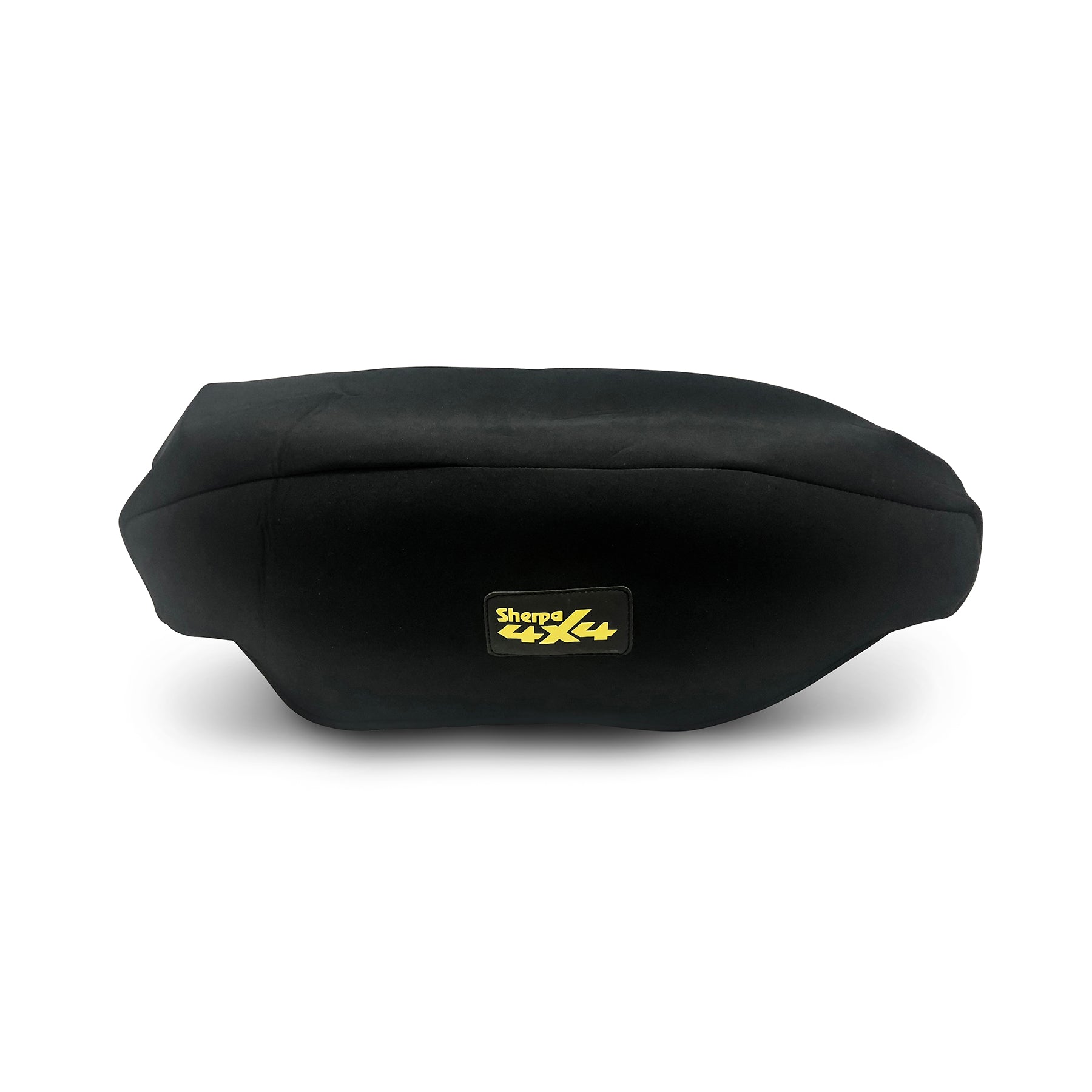
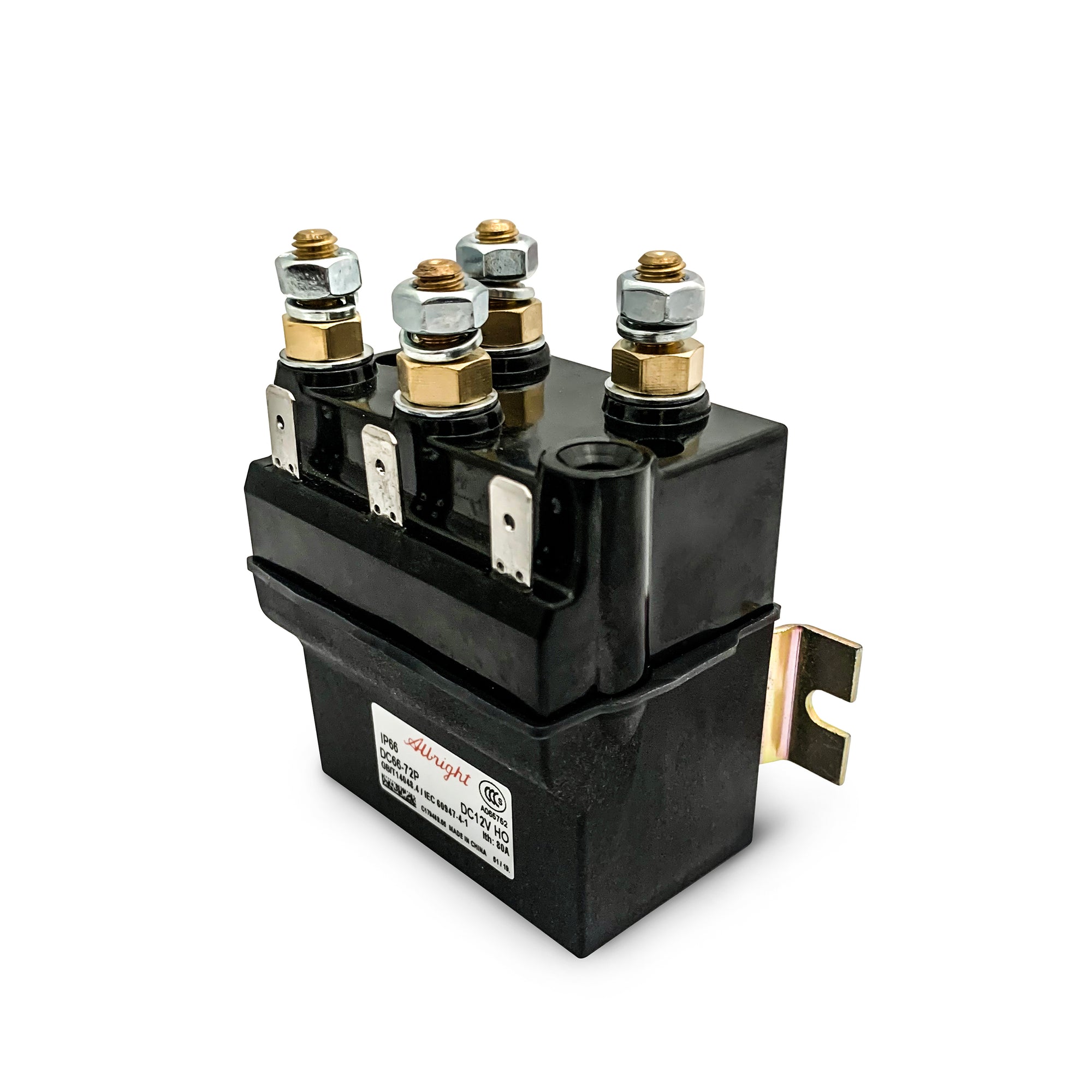
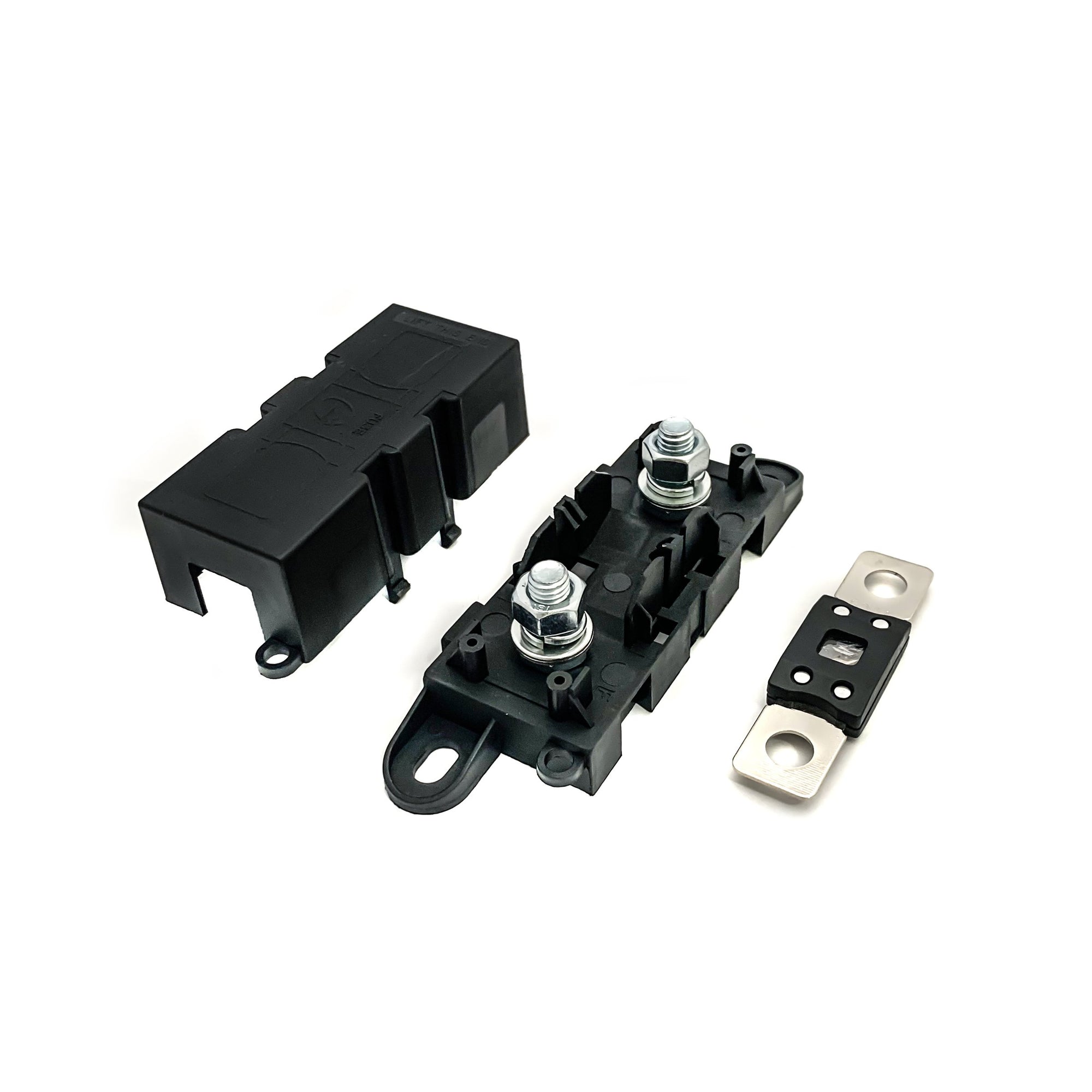
Use the exact product model, voltage and approximate purchase generation where possible. Motors, gearboxes, control boxes, solenoids, remotes and plugs can look similar across winches but differ in power, terminal arrangement, gear ratio or wiring. Compressor hoses, pressure switches and adaptors also vary by model. Take a clear photo of the product label and the failed component before ordering. For winch parts, note whether the unit is 12V or 24V and whether it is a 4WD, ATV, Grunter, tow-truck or AC model. If a serial number or part number is visible, include it. Genuine Sherpa spares are the safest route for critical load-bearing or electrical components because physical fit alone does not confirm compatibility.

If the motor has lost power or become intermittent, first inspect cables, earths, solenoid contacts and battery voltage because electrical supply faults can mimic motor failure. If the motor is confirmed faulty, the repair choice depends on damage. Worn brushes or a damaged brush holder may be economical to replace if the armature, bearings and windings are sound. Water ingress, burnt windings, damaged commutator segments or severe corrosion usually justify a complete motor replacement. Opening a sealed motor unnecessarily can also compromise water resistance. If the winch has suffered a major stall or overheating event, inspect the gearbox and control system as well so a new motor is not fitted without correcting the original overload.

Grinding, jumping under load, metal contamination in lubricant or excessive drum movement can indicate internal gear or bearing damage. Before replacing the gearbox, rule out clutch engagement problems and loose mounting because they can create similar symptoms. Planetary gearboxes operate under very high torque, and continuing to winch after teeth begin chipping can turn a minor component failure into damage across several gear stages. If the casing is cracked, clutch mechanism is damaged or multiple internal parts are worn, a complete genuine gearbox assembly is often more reliable than mixing old and new components. Always match the replacement to the exact winch model because gear ratios and interfaces differ across the Sherpa range.

Only when Sherpa confirms the components are compatible. A higher-output motor can increase current beyond the rating of the original solenoid, control box, cables or battery system, and it may overload a gearbox that was designed for a different motor. Likewise, a control box that switches correctly on the bench may have different contact ratings or terminal arrangements. Upgrades should be treated as a system change rather than a plug-in performance modification. If an older winch is being rebuilt, compare the cost and remaining condition of the gearbox, drum, brake, rope and electrics with the price of a current complete winch. Retaining one worn major component can undermine an otherwise good rebuild.

Carry the small parts most likely to stop the system and that can actually be replaced in the field: the correct wired remote, spare remote plug if applicable, rated electrical fuses, a compatible wireless remote battery and basic terminal hardware. A spare rope extension or soft shackle often solves a recovery problem more effectively than carrying a gearbox or motor that cannot be changed safely on the track. For compressors, a hose repair fitting, spare plug and the correct fuse can be useful. Before departure, the best 'spare part' is preventative maintenance—test the winch under load, inspect the rope, clean terminals and verify the compressor reaches pressure without overheating.